5 minute read
10 minute read
When people think about joining the British Army, education may not be the first thing that comes to mind.
You might picture training, travel, and a busy working life. But learning and gaining qualifications is another big part of Army life. From apprenticeships to degrees, there are different ways to build your skills while you serve. Some Army training can also count towards civilian qualifications, which can be useful long after you leave.
The pathways are there. Which opportunities you go for are entirely in your hands.
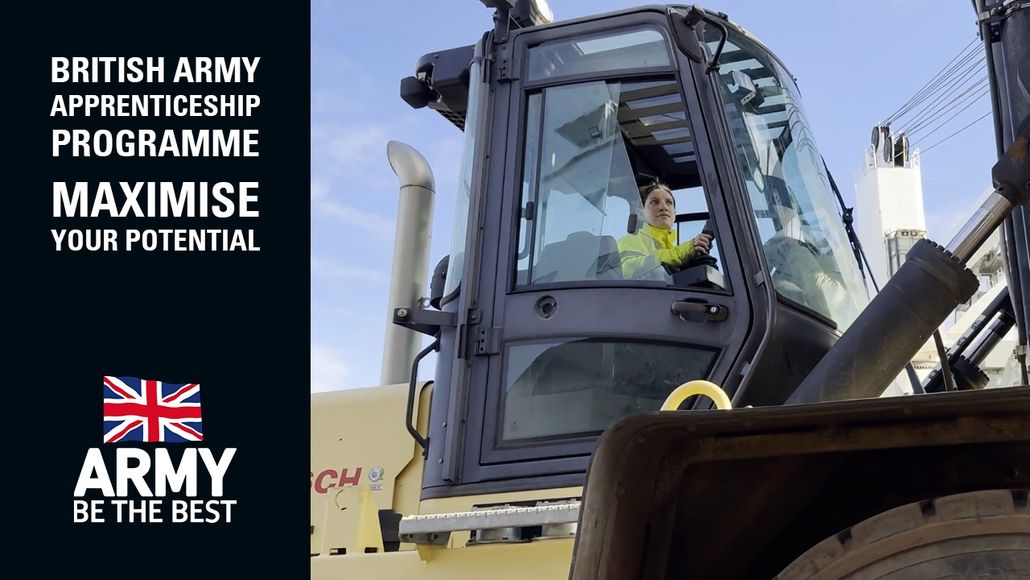
Your Army training doesn’t have to be separate from your education. There are pathways for both apprenticeships and degree programmes. And the subjects are wider than you might expect, too.
If you’re a soldier, the British Army offers apprenticeships recognised by 43 national programmes in the UK. Learning is planned around your military training and is linked to your role in the Army.
Which level you can work towards will depend on your chosen career path. Level 2 Apprenticeships and Level 3 Advanced Apprenticeships are open to most, while Level 4 Higher Apprenticeships are designed for certain specialist roles.
Army apprenticeships can include areas such as engineering, information technology, telecommunications, logistics, construction, business administration, public services and health, and even animal care.
If you’d like to pursue a career as an officer but you don’t have a degree, the Army Higher Education Pathway (AHEP) allows you to you work towards a fully-funded bachelor’s degree in Leadership and Strategic Studies once you’ve successfully completed training at the Royal Military Academy Sandhurst. Officers who already have a degree can use the same pathway to work towards a master’s degree.
That means you can be learning useful skills and continuing your education while also getting on with your Army career, building work experience, and earning a salary.
Your education doesn’t have to stop just because you’ve put on a uniform.
Whether you spend a few years in the Army or stay for much longer, the skills and qualifications you gain can form part of your next career.
Some Army education programmes can be accredited and turned into recognised civilian qualifications. Your military education course will have to meet the same standards of the civilian course, but you may be able to gain a whole qualification or part of one.
Getting accreditation from a recognised organisation can make it easier for civilian employers to see just how your experience and skills can be transferred. These accredited qualifications can come from organisations such as City & Guilds, the Chartered Management Institute and the Institute of Leadership and Management.
Credits show the amount and level of learning you have completed in your education. When you get your military education and training accredited, your experience may broken down into ‘credits.’
This is useful because it helps turn the skills you gain in the Army into something that employers and educational institutions outside the Army can understand.
Getting one qualification does not have to be the end of your learning. Your goals can change as you gain experience and you may discover a subject you enjoy or find a new area of work that interests you.
As your Army career develops, there can be opportunities to go further with higher-level qualifications. The Army’s Leadership and Development Programme, for example, can lead to civilian qualifications as you progress through the ranks.
You can often use these qualifications as a starting point for a degree and, in some cases, you may be able to complete a degree course in a shorter period of time. In certain niche Army career paths, there are even further opportunities for higher study at the master’s and PhD levels.
Your goals can change as you gain experience. You may discover a subject you enjoy, find a new area of work that interests you, or decide that you want to study at a higher level.
The Enhanced Learning Credits Scheme supports lifelong learning for members of the Armed Forces. The scheme works with approved learning providers and can provide financial support and military education funding towards nationally recognised qualifications at Level 3 or above.
There are eligibility rules in place, so it’s important to check what’s available to you if you’re considering it.
Very few join the Army will a clear picture of their future. But your education doesn’t have to stop just because you’ve put on a uniform.
For some, the Army environment makes it easier to pursue an education. For others, it’s about building on the formal knowledge that you already have and exploring a dynamic new career path.
The opportunities are often surprising and unexpected, and can depend on your role, training, career progression, and the type of learning you choose. From apprenticeships to higher education, these pathways will help you grow your military skills while still preparing you for life outside the Army.
Wherever you’re starting from, education can become as much a part of your Army career as you want it to be.
Find out more about one of the UK's biggest apprenticeship providers
5 minute read