10 minute read
5 minute read
Every year, people across the UK come together to remember those who served before us. We wear poppies, attend parades, observe a two-minute silence, and take time to reflect.
When it comes to showing your support for remembrance, you will think about the traditional red poppy pinned onto clothes. You may have even seen the purple poppy, which symbolises the animals that have lost their lives in wars. But did you know about the black poppy?
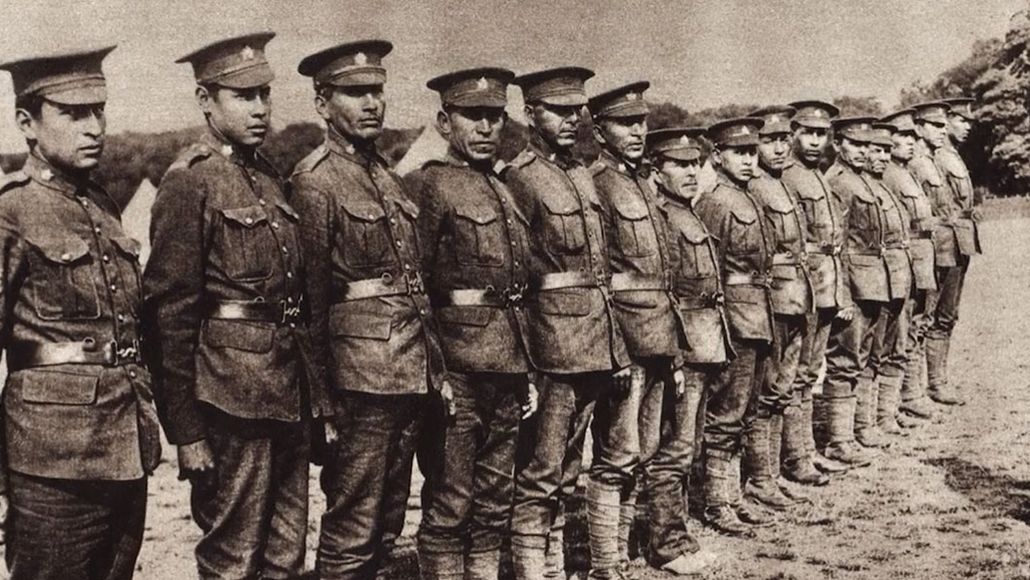
The BlackPoppyRose is helping to tell more stories from our shared history. The BlackPoppyRose recognises the contributions of Black, African, West Indian, Pacific Island and Indigenous communities who served as part of the British Empire.
It encourages conversations about the role these communities played in conflicts throughout history and the lasting impact their service has had on communities today. By learning about these contributions, we can build a fuller picture of our history and ensure that more stories are heard and remembered.
It's a time when I step back and I just think about all the things that have gone on before and all the conflicts around the world, past and present and just remember those people involved really and try and sort of connect to those for a moment.
For many serving soldiers and veterans, remembrance is deeply personal. Some think about former colleagues and friends who are no longer here. Others remember family members who served in past conflicts, from the World Wars to more recent operations.
Every story is different, but they all remind us that behind every name is a person who had family, friends and a life to live.
Loss affects everyone differently. For some people, remembrance brings back memories of loved ones they've lost. For others, it can be a chance to talk about experiences they've never shared before. One soldier recalled a remembrance service held after a member of their platoon was killed while deployed in Afghanistan. The service gave people a chance to come together, pay their respects and recognise that feeling upset was completely normal.
Remembrance can help people remember, reflect and heal. It reminds us that even though someone may no longer be here, they are not forgotten.
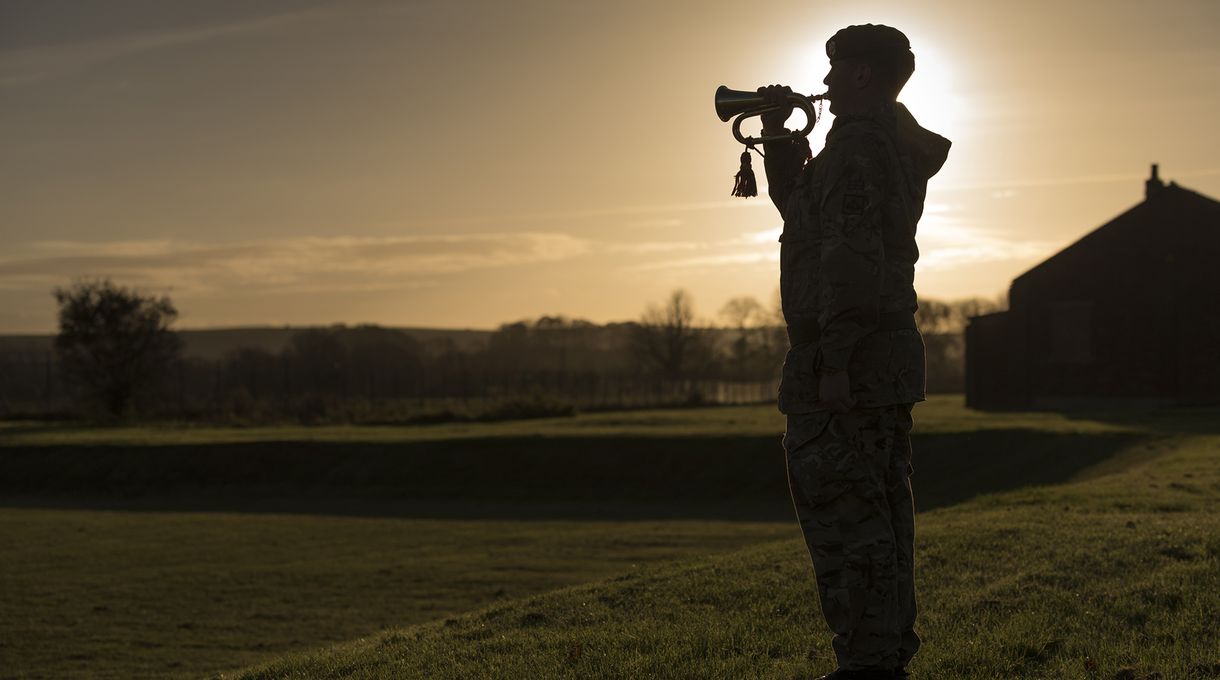
Remembrance isn't only for those who have served. It's also important for families, friends and local communities. Around the country, people attend local parades, services and events to show their support and respect.
For many young people, remembrance can help create a sense of connection. It allows them to learn about the people who came before them and understand how their actions have shaped the world we live in today. When we take time to learn about these stories, history becomes more than words in a book. It becomes real.
As time passes, it becomes more important to preserve the experiences of those who served.
Photographs, letters, videos and personal stories can help younger generations understand what life was really like during times of conflict. They allow us to hear directly from the people who experienced these events and keep their memories alive. Sharing these stories ensures that future generations can continue to learn, reflect and remember.
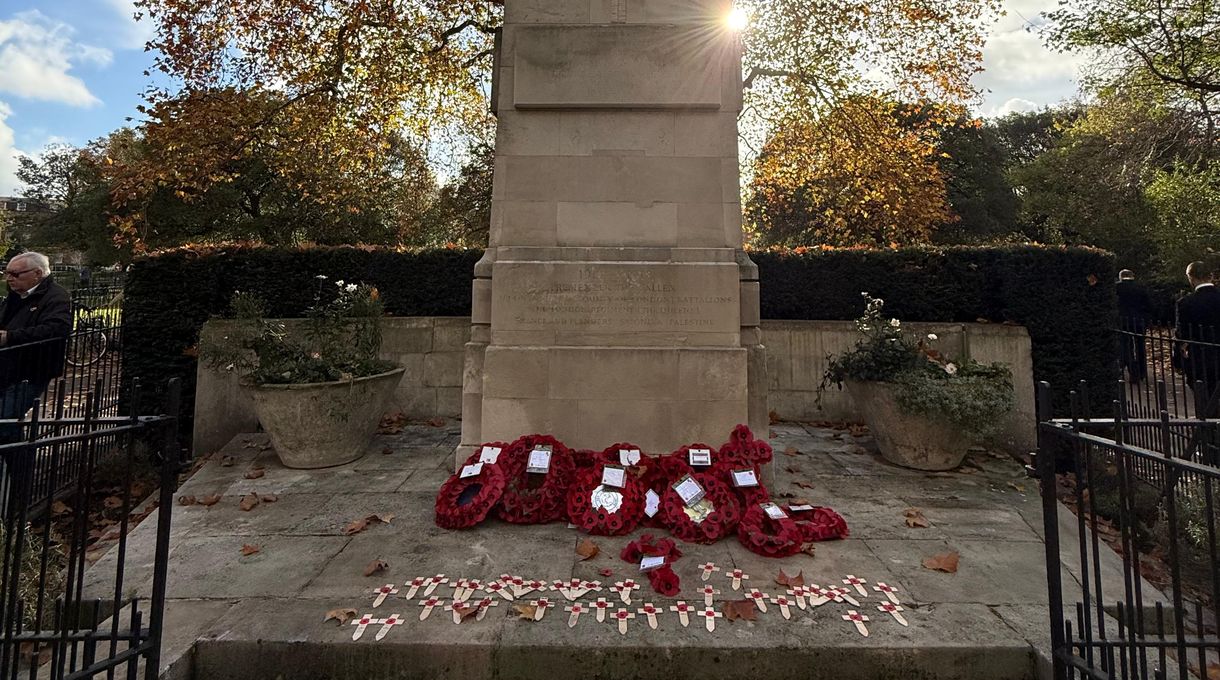
There is no right or wrong way to remember. For some people, remembrance means attending a service. For others, it means thinking about a family member, reflecting quietly for a few moments, or remembering a friend with a smile. What matters is taking the time to pause and remember.
Remembrance is personal to every individual, but it also brings us together. It helps us honour the past, support one another in the present, and recognise the sacrifices that continue to shape our future. Because while people may be gone, they should never be forgotten.
10 minute read