- .Regular Army
- .Find a Role
- .Legal Officer

- HR, Finance & Support
- Officer
- Specialist
- Regular
Legal Officer
You will advise on a range of legal issues across the Army. As a Legal Officer you will have a challenging and interesting career with opportunities which few other legal practices can offer. This role allows you to join as either fully qualified or through the ALS Cadetship.
Army Legal Service

Starting salary
£27,282 - £54,716

Age range
21 - 32

Role details
Everything you need to know about the role, requirements and what you’ll gain.
Age
You can join between the ages of 21 – 32. At the time of your application you will need to be between 21 years old and 32 years old.
Fitness
Mid Thigh Pull 76kg
Medicine Ball Throw 3.1m
MSFT (beep test) level 8.7
Education
There are now two ways to become an Army Legal Officer:
Fully Qualified
At the date of joining, you must be a qualified solicitor or barrister in the jurisdictions of England and Wales, Scotland or Northern Ireland.
You may begin your application whilst you are still undergoing your training. Those undergoing a training contract, qualifying work experience or a pupillage can apply up to 9 months prior to qualification. Some people join the ALS as newly qualified lawyers, and some serve for many years in private practice before joining.
STUDENT - ALS Cadetship
At the start of the ALS Cadetship (September), you must have a completed qualifying law degree (minimum 2:1) – Bachelor of Laws (LLB) or Graduate Diploma in Law (GDL), or equivalent.
You may begin your application while you are still completing your law degree provided you have achieved the educational requirement by the start date of the Cadetship. Applications for the 2027 ALS Cadetship have closed. Application dates for the 2028 ALS Cadetship will be released later this year. Once the application window is open, please submit your application as soon as possible because we may bring the closing date forward if we receive a high volume of applications.
Need help?
Unsure about any requirements? Our recruitment team is here to help.
Army Legal Service
Army Legal Service (ALS) are part of the Adjutant General's Corps and provides professional legal advice and support to the Army.
Army Legal Services (ALS) Officers are barristers and solicitors who are qualified in England & Wales, Scotland or Northern Ireland. They perform a range of crucial tasks, from prosecuting at court martial to advising senior commanders.
ALS officers practise law without timesheets or billable hours targets. There is opportunity for worldwide travel, delivering legal advice in interesting and challenging environments. There is a structed career with the chance to for promotion up to Major General and to gain post-graduate qualifications funded by the Army.
ALS officers are also given opportunities to keep up with their CPD through attendance at a number of internal and external courses, play sport for the Adjutant General’s Corps and the Army, and go on adventure training including skiing, cycling and hiking.
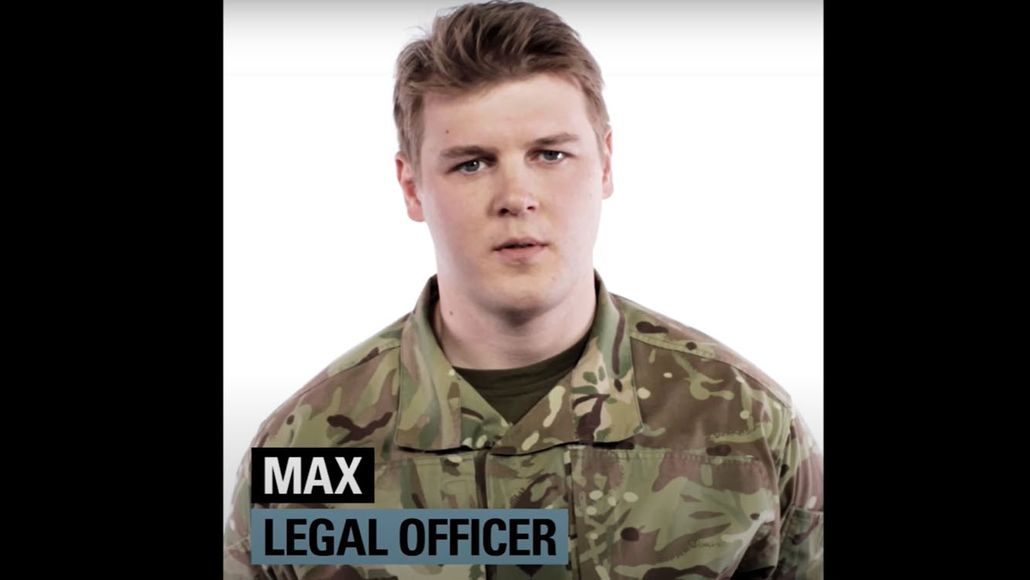
Key responsibilities
Operational law - Advising senior commanders on operational law, including detention, targeting and rules of engagement. This takes place both during the planning stages of exercises and operations and whilst deployed on the ground.
Prosecutions - Management and progression of cases at the Service Prosecuting Authority from initial referral to trial, including making charging decisions, dealing with evidential issues and disclosure, and prosecuting cases at Court Martial.
Advisory law - Training and advising officers and soldiers from other parts of the Army on discipline and administrative action, advising on health and safety and employment law (amongst other areas), and preparing publications to support the Chain of Command.
Training to become a Legal Officer will depend on whether you're planning on joining as a student in the Cadetship or as a fully qualified Barrister/Solicitor.
FULLY QUALIFIED
Step 1
You'll spend nine months training before going to your first legal role. During your first two weeks, you'll conduct your initial training and administration at the Directorate of Army Legal Services. Then you go for Officer training at the Royal Military Academy Sandhurst (RMAS) to do a Commissioning Course Short for nine weeks. You will be taught leadership and military skills.
Step 2
Following that, you will be attached to a combat arms unit for three months, in order to learn more about how the Army operates on the ground on a day-to-day basis, to practice the skills you learnt at RMAS and to develop your contextual understanding of the advice that you will be giving.
Step 3
You will then move on to your legal training, which takes place over approximately six-eight weeks. You will be given a basic introduction to the main areas of law that the ALS covers. Following this, you will be sent into your first role.
STUDENT - ALS CADETSHIP
Step 1
There are two tracks to qualification, either as a barrister or a solicitor via the ALS Cadetship. On both tracks, you will hold the rank of Officer Cadet (OCdt). OCdts will commission as ALS Captains on the date of qualification.
Barrister’s Track. You will undertake the Bar Training Course (year 1) before being seconded to a set of Chambers for Pupillage (year 2). If you have completed the Bar Training Course before starting the ALS Cadetship, you will be eligible to apply and will undertake Pupillage only (12 months).
Solicitor’s Track. You will undertake two years of Qualifying Work Experience (QWE) within ALS, moving through a number of seats across ALS’ practice areas whilst completing the Solicitors’ Qualifying Exams (SQE) online part-time. If you have completed SQE 1 and/or 2 before starting the ALS Cadetship, you are eligible to apply and will undertake the QWE element only (24 months).
Step 2
After completing the ALS Cadetship, you will spend approximately six months completing Military Training:
You will attend the Commissioning Course Short at Royal Military Academy Sandhurst (RMAS). for Officer training. This is a nine week course designed to provide you with military and leadership training.
Combat Arms Attachment. You will be attached to a combat arms unit for three months. This is to learn more about how the Army operates on the ground on a day-to-day basis, to practice the skills you have learnt at RMAS and to develop your contextual understanding of the advice that they will be giving.
Step 3
Legal Training. You will then move on to your legal training, which takes place over approximately six-eight weeks. You will be given a basic introduction to the main areas of law that the ALS covers: operational law, advisory law and prosecutions.
Following this, you will be sent into your first role.
30 days annual leave, plus bank holidays
Free medical and dental care
Free use of military gyms
Subsidised accommodation
Opportunities for participation in sports and adventure travel
FULLY QUALIFIED
You will join the Army as a Captain on a minimum salary of £54,716 a year.
STUDENT - ALS CADETSHIP
You will join the Army as an Officer Cadet on a minimum salary of £27,282 per year and then rise to £54,716 once fully qualified.
Higher Rights of Audience (Criminal Courts)
Master of Laws LLM in International Law, or other relevant subject of your choosing
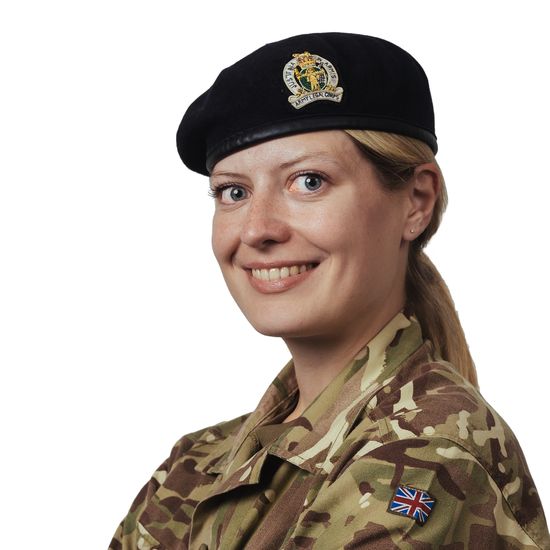
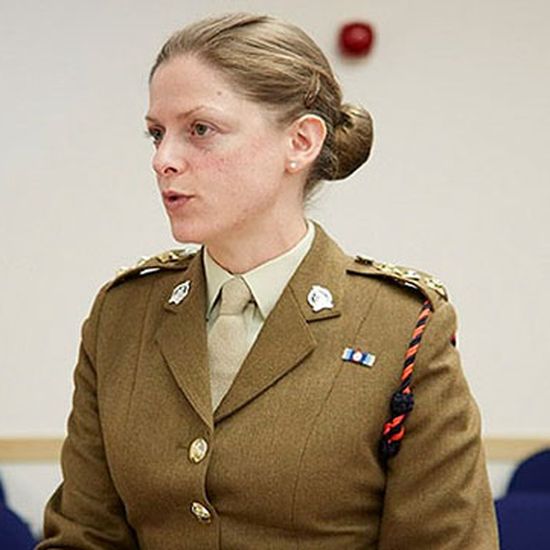
Your application journey
Online application
Complete your application form online. You'll need details about your education, work history, and why you want to join the Army.
CV review
You'll be asked to send in a CV and cover letter outlining your experience and qualifications. This will then be reviewed by the Corps.
Interview
Once your CV has been reviewed, you'll be invited to an interview with the Army Legal Services (ALS) to determine whether you are a a suitable candidate to become an ALS officer.
AOSB Main Board Short
Time to put your skills to the test You'll be invited to a shorter version of the Officer Selection Board. During your visit, you will be tested mentally and physically.
Preparation Course
Before you start your officer training on the RMAS Commissioning Course Short, you'll attend the Sandhurst Preparation Course, to ensure that you are fully prepared for the next stage in your career.
Ask a Soldier
Get honest answers from real soldiers in the roles you’re interested in. Read previously asked questions or ask your own.
Anybody who has a good general level of fitness will be absolutely fine. Basic training is about taking you from being fit to being Army fit.
You don’t need to arrive as a finished athlete. If you’re reasonably active and willing to put the effort in, you’ll improve quickly with training and support.
Greg H
Royal Military Police
During training you live with others on your course, and when you join your unit you’ll normally have your own room in the mess.
During officer training, you’ll live on site in shared accommodation. It’s designed to help you focus, build routines and get to know the people you’ll train alongside.
Sam J
Royal Artillery
You undergo the same world‑class and rigorous training as every other Army Officer – focusing on leadership, military skills, confidence, problem solving and academic study.
Officer training focuses more on leadership, planning and decision-making. You’ll still be challenged physically, but you’ll spend more time learning how to lead others and take responsibility.
Zoe L
Adjutant General's Corps
As an officer we have a duty to look after our soldiers, physically but also mentally. We sometimes have to make difficult decisions, even when they’re not easy.
You’re given responsibility early on, but it’s introduced gradually. From the start, you’re trusted to look after yourself, your kit and support your team, with clear guidance and support in place. As you grow in confidence and skills, that responsibility increases. You’re never left to manage things alone. You’re shown what to do, why it matters, and how it fits into the bigger picture.
Jen C
Adjutant General's Corps
Your future starts here
Every Legal Officer started exactly where you are now. Take the first step.
Not ready to apply? Get in touch

Contact us


Find a careers centre

More roles like this

Education and Training Officer
/)
HR Officer
