- .Regular Army
- .Find a Role
- .Officer Pilot
/)
- Combat
- Officer
- Regular
Officer Pilot
A leader and expert pilot, you’re a vital part of any campaign. You'll fly cutting-edge helicopters and support troops all over the world.
Army Air Corps

Starting salary
£35,925 - £42,948

Age range
18 - 29

Role details
Everything you need to know about the role, requirements and what you’ll gain.
Age
You can join between the ages of 18 – 29. At the time of your application you will need to be between 18 years old and 28 years & 11 months old.
Fitness
Mid Thigh Pull 76kg
Medicine Ball Throw 3.1m
MSFT (beep test) level 8.07
Education
35 ALIS points at GCSE (34 for SNQs) from 7 GCSE/SNQ subjects, with a minimum grade C/4 in English Language, Maths, and a science or foreign language.
72 UCAS Tariff points from A-level / BTEC / Scottish Highers.
Need help?
Unsure about any requirements? Our recruitment team is here to help.
Army Air Corps
The Army Air Corps (AAC) work with battle-winning aircraft, using advanced sensors and weaponry to find and defat the enemy.
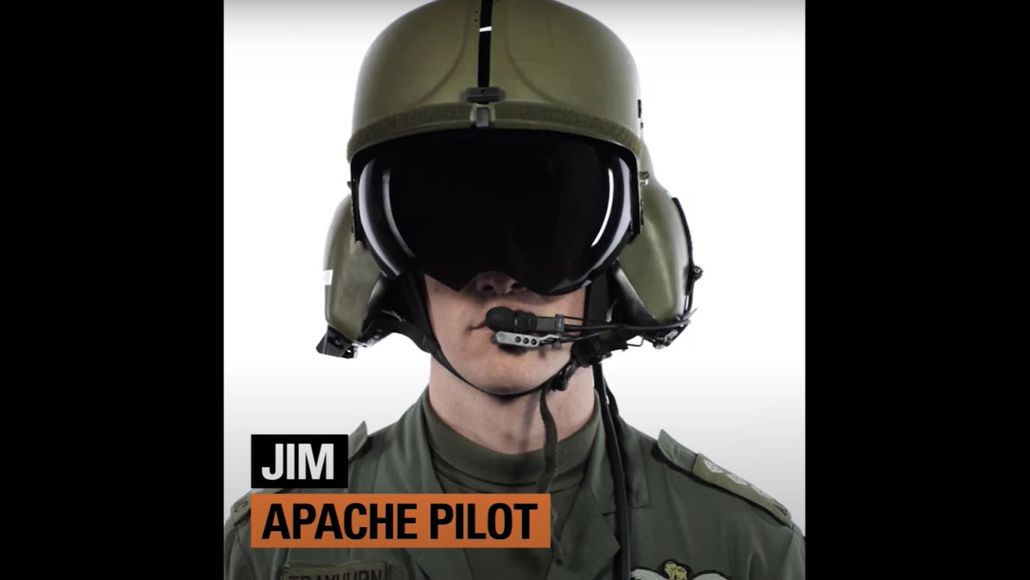
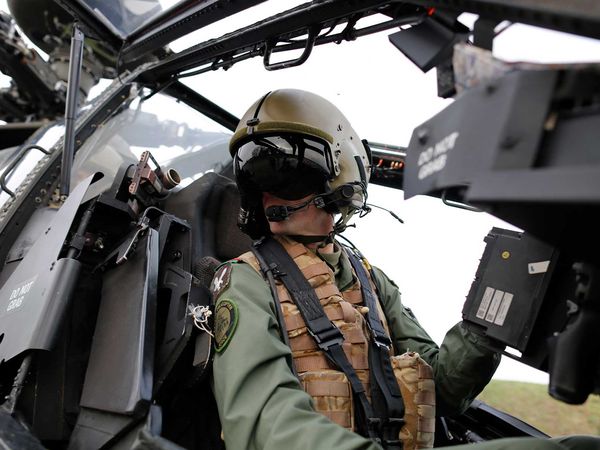
As an Officer Pilot you'll learn how to fly and command military helicopters. You'll lead complex aviation missions and command small, close-knit teams of other Officers and Soldiers. You will learn everything you need to know about flying, from take-off and landing to formation flying at night. On completion of the Army Pilots' Course, if you qualify on either the Wildcat or Apache.
Key responsibilities
Learn to fly the most advanced battlefield helicopters in the world
Provide essential support for troops on the ground
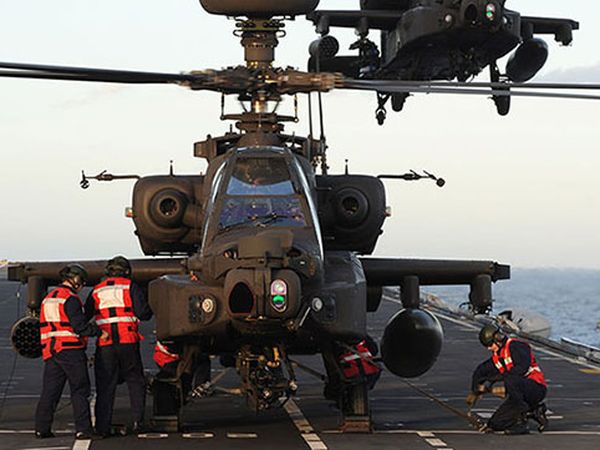
Attack targets, find the enemy, evacuate casualties and move troops and supplies
Have huge impact on the battle, wherever you are
Get paid to learn to fly and command in the skies
"FLYING HELICOPTERS IS INCREDIBLY EXCITING. NOTHING COMPARES TO IT."
Must be able to start flying training by your 30th birthday (noting 44 weeks at RMAS and up to 12 months on an attachment with a Combat Arm after commissioning).
Step 1
To become an officer pilot you must first and foremost apply to become a British Army Officer. You will complete standard Army Officer training at the Royal Military Academy, Sandhurst. On passing the aviation aptitude, medical and flying grading tests, you will be eligible to be selected as a helicopter Officer Pilot.
Step 2
Over the next two years, you will learn to fly the Juno (H135) training helicopter. You will also learn about communications, navigation and tactics. At the end you will be awarded the Army Pilot Badge (your 'Wings') and get streamed on to your operational aircraft, usually the Apache attack helicopter or reconnaissance Wildcat. You'll then complete your conversion course (approximately 18 months) before arriving fully qualified at your frontline regiment.
You'll earn £35,925 during your year of training at the Royal Military Academy, Sandhurst, before commissioning and becoming a Second Lieutenant, on £42,948 a year. As your experience increases, pilots become eligible for recruiting and retention payments on top of their basic salary.
Foundation Degree in Aviation Systems Management
Degree Level (Level 5 & 6) Diplomas in Management and Leadership
Graduate entrants get a Postgraduate Certificate in Leadership and Conflict Studies and access to the full Masters Postgraduate Degree
/)
Your application journey
From application to training, you can expect a timeline of at least 6 months.

Timelines can vary based on individual circumstances.
Online application
Complete your application form online. You'll need details about your education, work history, and why you want to join the Army. You'll then be sent some medical forms to complete, so that we can understand your medical history.
Interview
You'll be invited to an online interview with your local recruiter. This will give us a chance to get to know you, and see whether you'd be a good fit for the Army. You'll also get to find out more about how to get ready for the next stage. Before you head to officer selection, you will be invited to Westbury for a face to face medical examination.
Army Officer Selection Board (AOSB) briefing
Once your recruiter thinks that you're ready, and you've passed a face to face medical you'll be sent to briefing. Over 2 days you'll be assessed on physical and practical exercises and learn how to prepare for Main Board.
AOSB Main Board
Time to put your skills to the test. This 4 day event will test you mentally and physically. Main Board can be attended no less than 4 weeks after going to Briefing but you may be advised to delay depending on the 'category; '1-4', that you are awarded.
Security clearance
Background and security checks are conducted. This can take longer depending on your personal circumstances and history.
Real Army Life
Ask a Soldier
Get honest answers from real soldiers in the roles you’re interested in. Read previously asked questions or ask your own.
Day to day life really varies depending on what we have on during any particular month. For example; at the moment we are preparing to deploy on exercise for a 2 month period so the majority of my week is dedicated to making sure we are as well prepared as possible. This includes planning the transit flight in conjunction with the Apache force, ensuring we are current in all aspects of flying (such as night flying and flying in formation with other aircraft) and also making sure that we are up to speed in wider aspects of military training such as fitness tests, map reading and weapon handling.
As an officer pilot, your main role is flying and leading operations, but you’ll also take on leadership responsibilities. You’ll plan missions, train regularly and work closely with your team to stay ready for deployment.
Maddie
Army Air Corps
The AAC is one of the few roles in the Army where you get to do the job you trained for on a daily basis. For example, our pilots have to remain in current flying practice, so our aircraft are constantly flying and are supported by all officers and soldiers in associated jobs.
The AAC also offers very junior soldiers the opportunity to command at a very early stage in their careers. Senior Airtroopers (our name for Private soldiers) and Lance Corporals can command Apache Attack Helicopter refuelling and re-arming teams and Helicopter Landing Sights as well as commanding communications detachments which may be operating forward of the main base area.
We are also a relatively small Corps so we are a very tight-knit community and everyone tends to know each other regardless of where you are stationed.
Life in the Army Air Corps is focused on aviation, so you’re working around aircraft and operations every day. It’s a close-knit Corps where everyone plays a part in keeping aircraft flying and missions moving.
David
Army Air Corps officer
Sandhurst itself was mostly about learning how to be a soldier, learning about leadership, military studies and platoon‑level tactics. It was a tough 44 weeks, but ultimately really rewarding and fun.
Officer training at Sandhurst is designed to build you into a confident leader. You’ll develop your decision-making, teamwork and resilience, alongside the skills needed to lead others in challenging situations.
Robert H
Royal Armoured Corps
As an officer we have a duty to look after our soldiers, physically but also mentally. We sometimes have to make difficult decisions, even when they’re not easy.
You’re given responsibility early on, but it’s introduced gradually. From the start, you’re trusted to look after yourself, your kit and support your team, with clear guidance and support in place. As you grow in confidence and skills, that responsibility increases. You’re never left to manage things alone. You’re shown what to do, why it matters, and how it fits into the bigger picture.
Jen C
Adjutant General's Corps
During training you live with others on your course, and when you join your unit you’ll normally have your own room in the mess.
During officer training, you’ll live on site in shared accommodation. It’s designed to help you focus, build routines and get to know the people you’ll train alongside.
Sam J
Royal Artillery
Your future starts here
Every Officer Pilot started exactly where you are now. Take the first step.
Not ready to apply? Get in touch

Contact us


Find a careers centre

More roles like this
Engineering Officer

Armoured Corps Officer
